WHY TO DO FIRE RISK ASSESSMENTS AND SAFETY TRAINING NOW!!! 

AS FROM THE 1ST OCTOBER 2006 EVERY BUSINESS IN THE UK WILL NEED TO CARRY OUT A FIRE RISK ASSESSMENT THAT IS BOTH SUITABLE AND SUFFICIENT, ACT ON ITS RECOMMENDATIONS AND PROVIDE ADEQUATE FIRE SAFETY TRAINING FOR STAFF

FIRE RISK ASSESSMENTS
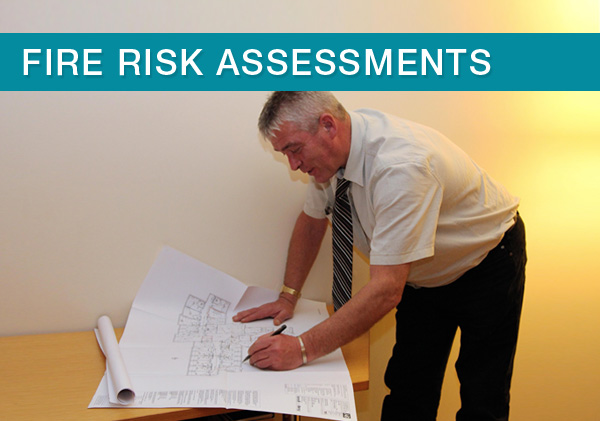
Employers, managers and any persons with control, to any extent, of the premises, including its owner(s) in some cases, have duties in respect of fire safety of the premises. It is a legal requirement to carry out a fire safety risk assessment. This forms a crucial element in the overall safety policy for the premises. It is essential that the risk assessment is specific to fire safety and to the premises concerned. An overall generic risk assessment will not be sufficient. It is essential that the person who undertakes this fire safety risk assessment is proficient to do so.


The HSE and Fire Services will be carrying out on the spot inspections at random. If businesses do not have a completed Fire Risk Assessment, then they will be in breach of the law. In the past Fire Safety Officers carried out an advisory role and issued Fire Certificates for premises. This process has changed with Fire Service's adopting a 'policing' role on workplaces similar to that exercised by the HSE Inspectors, where they will use your own Fire Risk Assessment as their starting point.

It is important to understand that a Fire Risk Assessment is not the same as a Fire Certificate. Companies may not be insured if they haven’t done the assessment which could put your business at serious risk. Having a Fire Risk Assessment seems like a very sensible business investment as well as being an Absolute Legal Duty.

Carrying out a Fire Risk Assessment delivers significant benefits as is estimated that 37,000 workplaces alone suffer from a fire each year in the UK. SRT Consultants help businesses by conducting a Fire Risk Assessment and Action Plan to make you aware of any dangers from fire hazards within your premises.

FIRE SAFETY TRAINING

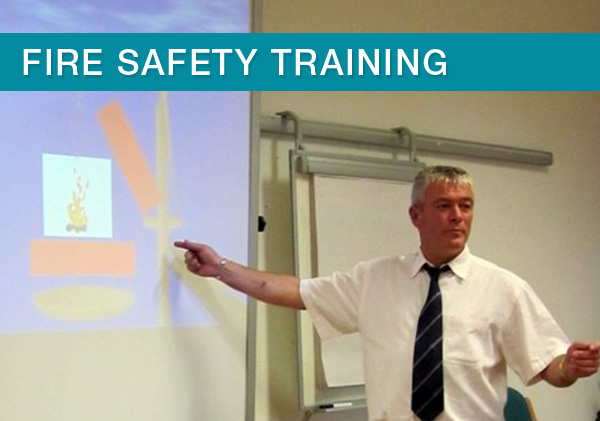
All training should support the fire safety strategy and emergency fire action plan, be verifiable and be supported by management records as evidence that adequate training has been given. Fire safety training should be specific to the premises and should include the following:

  • The action to take on discovering a fire.
  • How to raise the alarm and what happens then.
  • The action to take upon hearing the fire alarm.
  • The significant findings of the fire safety risk assessments.
  • The measures that have been put in place to reduce the risk from fire.
  • The identity of people nominated with responsibilities for fire safety.
  • Any special arrangements for serious and imminent danger to persons from fire.
  • The procedures for alerting visitors and members of the public including, where appropriate, directing them to exits.
  • The arrangements for calling the Fire and Rescue Service.
  • The measures in place to ensure a safe escape from the building and how they will operate.
  • The personal emergency egress plans for disabled persons.
  • The evacuation procedures for everyone in the building to reach an assembly point at a safe place.
  • The fire prevention and fire safety measures and procedures in the premises and where they impact on staff and others in the building.
  • The location and, where appropriate, the use of fire-fighting equipment.
  • The location of the escape routes, especially those not in regular use.
  • How to open all doors on escape routes, including the use of any emergency fastenings (and locks where appropriate).
  • The importance of keeping fire doors closed to prevent the spread of fire, heat and smoke.
  • The importance of good housekeeping.
  • The risks from flammable materials used or stored on the premises.
  • The precautions to be taken to minimise and control the risks, with particular attention to their role in reducing and controlling fuel and ignition sources.
  • How to stop any machines and processes or isolate power supplies where necessary in the event of a fire.

FIRE DRILLS

Fire drills should be carried out to check that staff understand the emergency fire action plan (including all relevant personal emergency egress plans), to ensure that staff are familiar with operation of the emergency fire action plan, to evaluate effectiveness of the plan and to identify any weaknesses in the evacuation strategy.
The frequency of drills for each building will be different and should reflect the level of risk. Fire drills should take place at least once a year. Where there is more than one escape route, the drills should assume conditions in which one or more of these are obstructed by smoke. In offices, a fire drill should involve occupant evacuation and should commence on operation of the fire alarm. In shops, fire drills should involve a rehearsal for evacuation and will normally be scheduled when there are no or few shoppers in the premises.


SRT Consultants
have over 29 years Fire Service and Fire Safety experience and can relieve you of this burden by carrying out a comprehensive Fire Risk Assessment, Risk Audits and provide Fire Safety Training on your behalf. You can simply concentrate on running your business, and we will do the rest for you.

 SRT CONSULTANTS
SOLUTIONS, RISK ASSESSMENTS & TRAINING
INSTITUTION OF FIRE ENGINEERS REGISTERED FIRE RISK ASSESSOR
MEMBER OF THE NATIONAL ASSOCIATION OF HEALTHCARE FIRE OFFICERS

site design by highjuice.com